Condors

Investigating mechanisms of resilience in one of North America's most endangered birds

Hard-won, and fragile
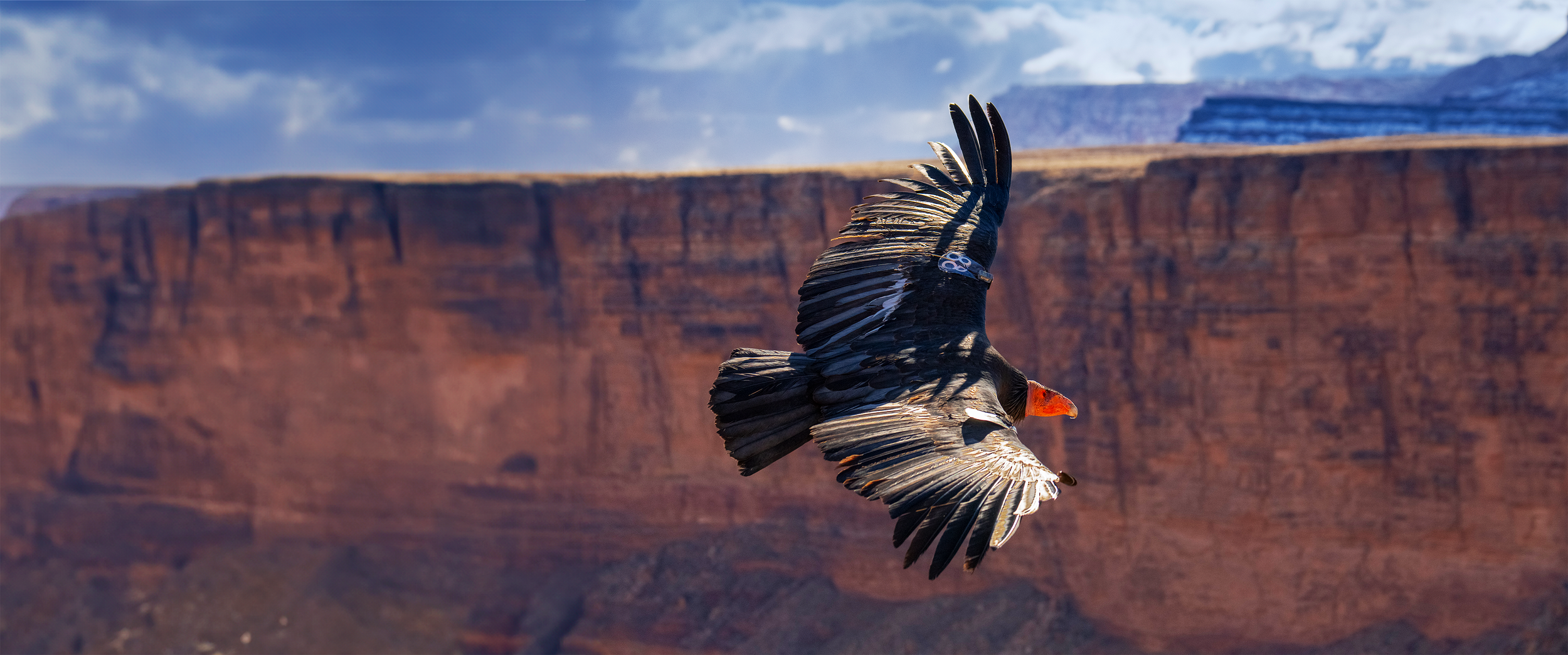
The California condor nearly vanished from the globe in the 1980s. After decades of dedicated recovery work, the population has climbed back from just 27 individuals in 1987 to over 500 birds today. But two converging threats now shadow that hard-won progress: chronic lead poisoning from spent ammunition in the carcasses condors scavenge, and the emergence of highly pathogenic avian influenza (HPAI), which killed nearly a fifth of Arizona's condor flock in a single three-week outbreak. For a species with so few individuals, each death is a critical loss.

Reading resilience at the molecular level
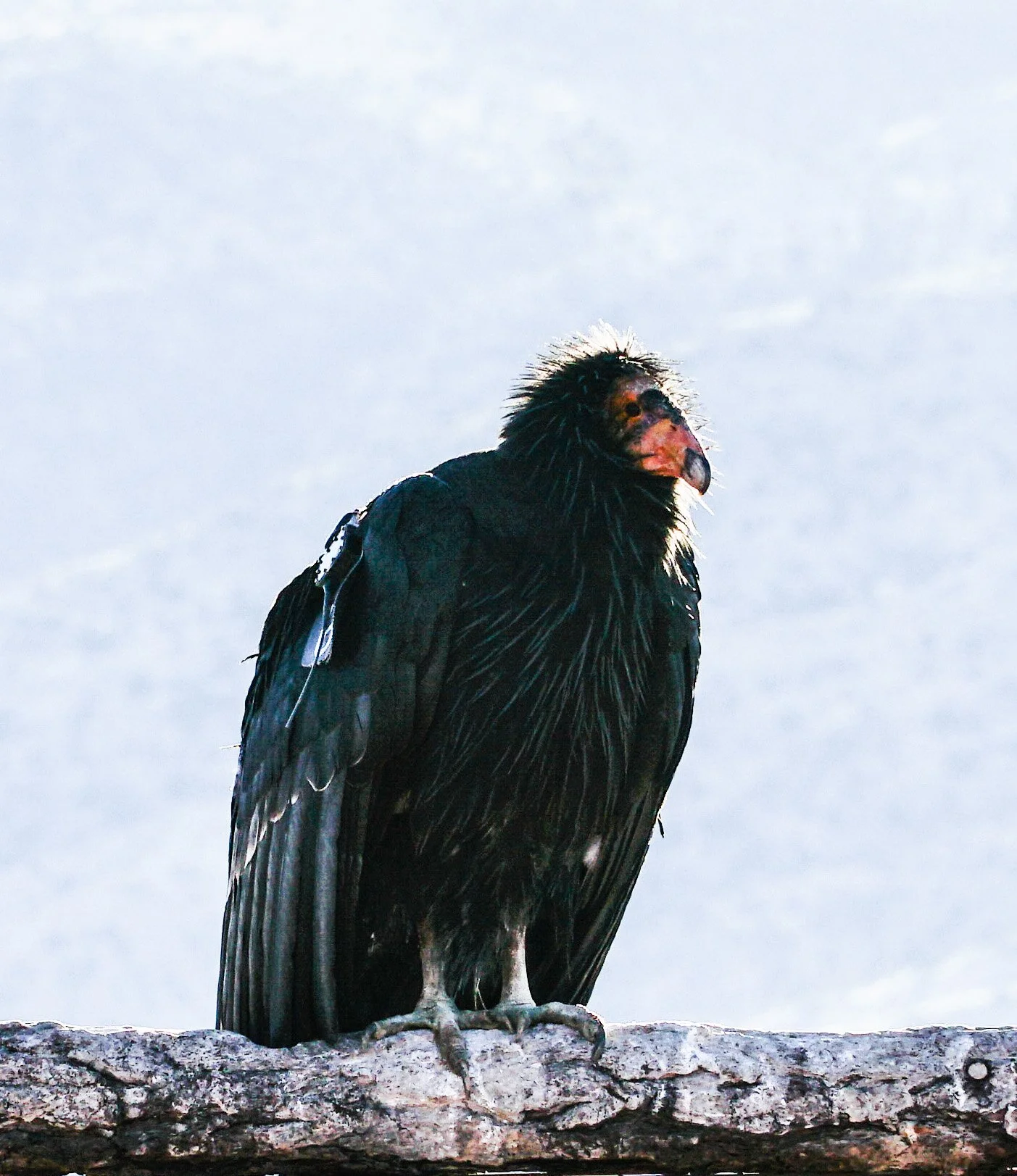
In collaboration with researchers from federal, not-for-profit, academic, and private agencies, Cara works to investigate how condors respond to and, in some cases, withstand these stressors. By examining mechanisms of stress and toxin sequestration in condors exposed to lead, and those challenged by avian influenza, this research aims to identify the biological underpinnings that determine whether an individual survives or succumbs.
Avian influenza can be highly lethal. The question of why some condors seem to tolerate exposures that would be fatal in others remains unknown. Lead is a neurotoxin and immune disruptor, and these stressors could in fact be working in tandem. Answering this requires looking at the cascade of molecular responses that kick in under toxic stress. Similarly, understanding what differentiates survivors from non-survivors could inform both conservation management and our broader understanding of population resilience in all vertebrate species.
Why this goes beyond the California condor?
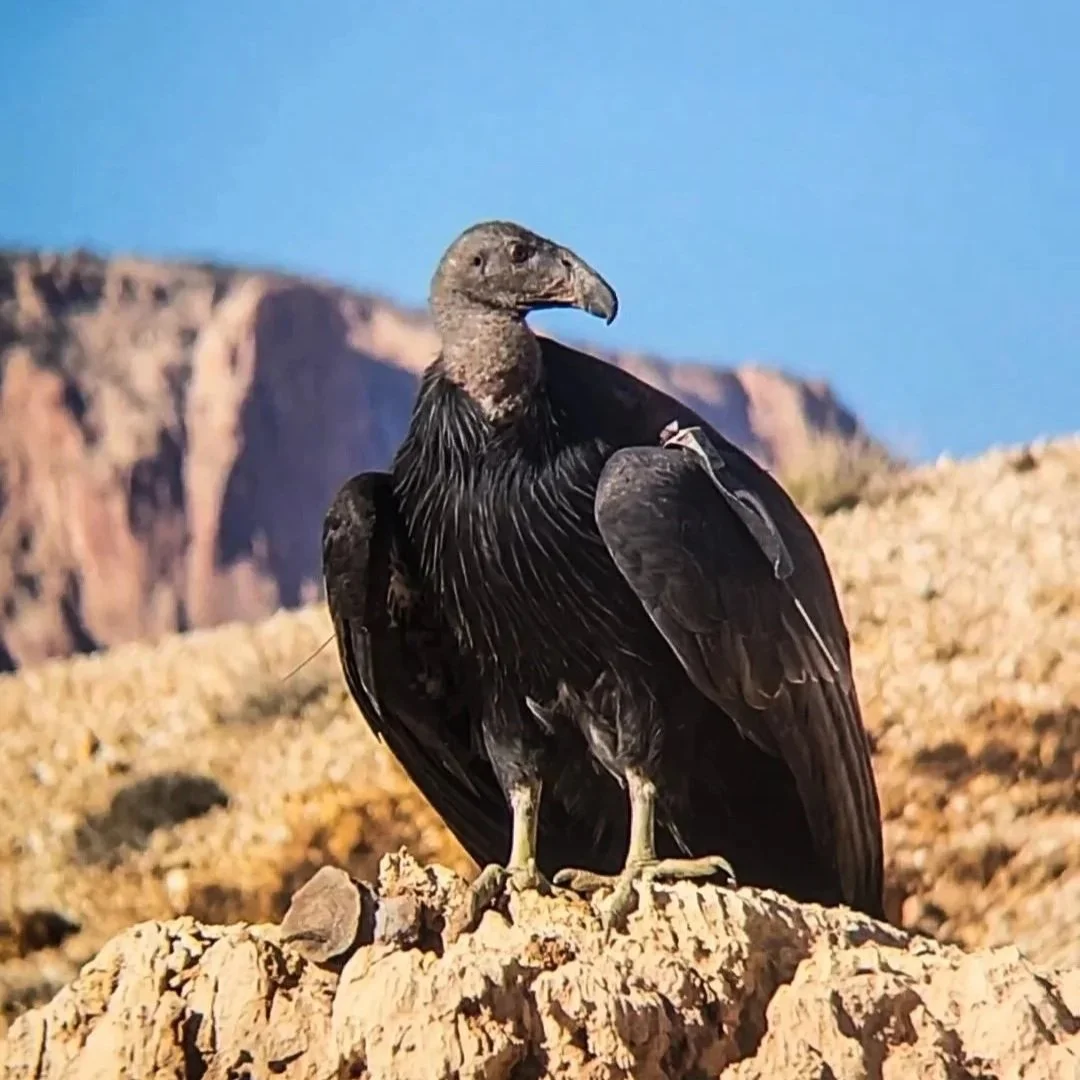
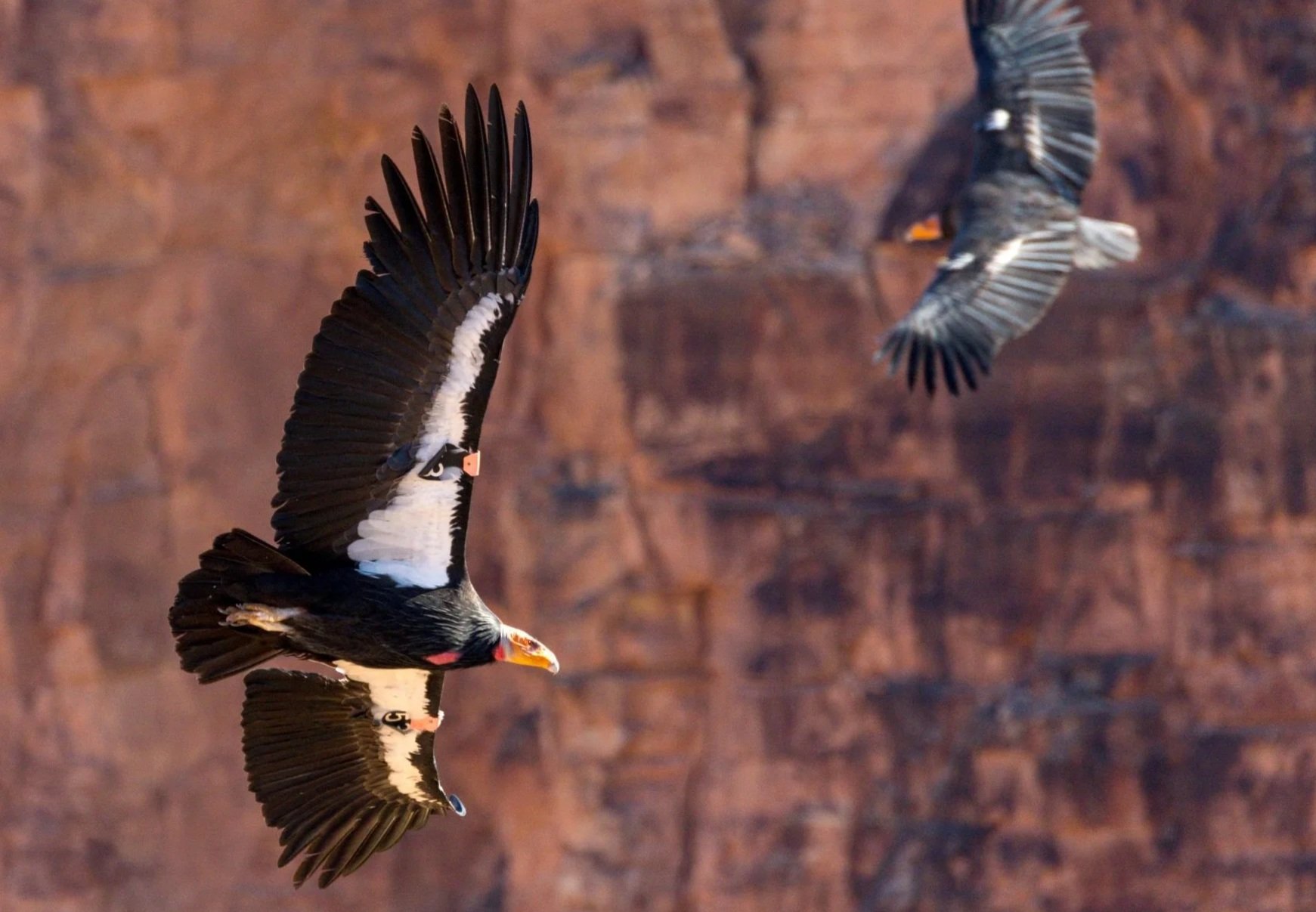
The condor is a sentinel species for the health of the ecosystems it inhabits. But the condor is also a window into biology we don't yet fully understand. The mechanisms by which any animal mounts an immune response to a novel pathogen, detoxifies a heavy metal before it reaches critical organs, or interactions between the two, are not unique to condors. They are questions that exist across vertebrate life, including in humans.
What we learn from the condor about stressor tolerance can improve our understanding of exposure in human populations. And what we learn about avian influenza resilience has direct relevance to pandemic preparedness and response.